Why Wasps Keep Coming Back to Your Yard (And How to Stop Them for Good)
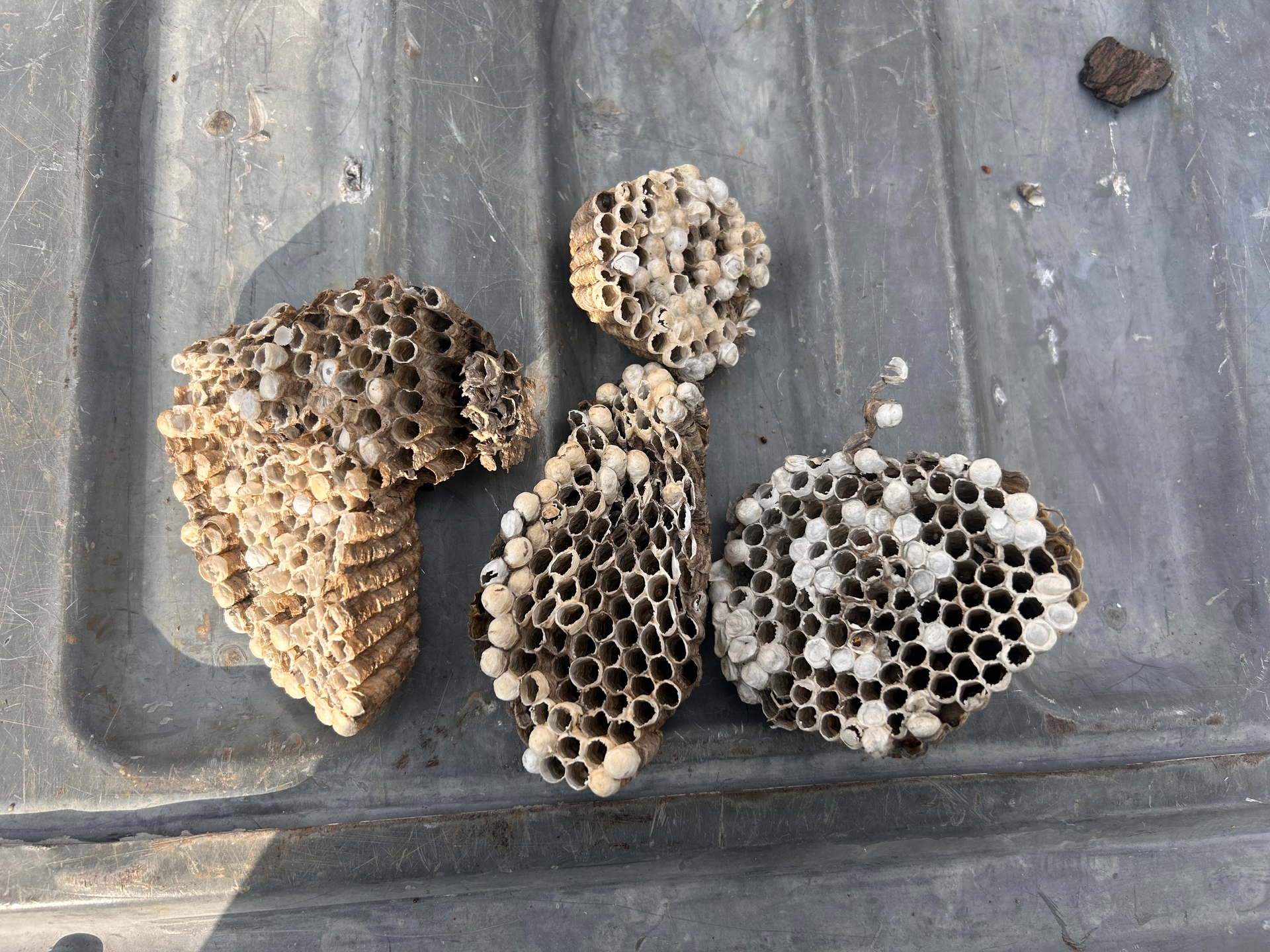
If you’ve knocked down a wasp nest only to see them return weeks later, you’re not imagining things. Wasps are highly persistent, and if your property provides the right conditions, they will continue to rebuild in the same areas again and again.
Understanding why wasps keep coming back is the key to stopping the cycle—not just temporarily removing the problem.
For homeowners dealing with repeat infestations, especially in areas like Carrollton, this usually means there’s an underlying attractant that hasn’t been addressed.
If you’re already seeing consistent activity, here’s a full breakdown of what’s causing it and how to eliminate it for good.
The Most Common Reasons Wasps Return
1. Your Home Has Ideal Nesting Spots
Wasps look for protected areas that shield them from wind and rain.
Common locations include:
- Roof eaves and soffits
- Fence lines and posts
- Garages and sheds
- Attic vents and wall voids
Even if you remove a nest, these areas remain attractive unless treated properly.
2. There’s a Reliable Food Source Nearby
Wasps are drawn to:
- Sugary drinks and food residue
- Trash bins that aren’t sealed
- Outdoor eating areas
- Pet food left outside
They also hunt other insects, meaning if your yard has bugs, it will attract wasps.
👉 This is why professional exterior pest control plays a major role in long-term wasp prevention.
3. Water Sources Keep Them Around
Like all insects, wasps need water to survive.
Common sources:
- Overwatering lawns
- Leaky spigots
- Standing water in gutters
- Drainage issues
Even small amounts of water can sustain a colony.
4. Old Nests Leave Behind “Attraction Signals”
This is something most homeowners don’t realize.
Even after a nest is removed:
- Pheromones can linger
- Structures remain ideal for rebuilding
- Wasps often return to the exact same spot
Without proper treatment, the cycle continues.
Why Sprays and DIY Methods Don’t Work Long-Term
Most store-bought solutions only address what you can see.
The Problem:
- They kill active wasps, not future ones
- They don’t treat surrounding surfaces
- They don’t eliminate attractants
- They don’t reach hidden nests
According to the United States Environmental Protection Agency, proper pest control involves targeting both active pests and the environments that support them.
How to Stop Wasps From Coming Back (The Right Way)
Step 1: Eliminate Nesting Zones
- Seal gaps and cracks around your home
- Remove early-stage nests immediately
- Treat high-risk areas like eaves and fences
Step 2: Reduce Food Sources
- Keep trash sealed tightly
- Clean outdoor eating areas
- Avoid leaving sugary drinks outside
Step 3: Control Other Insects
Wasps won’t stick around if their food disappears.
This is where routine pest control becomes critical.
If you’re dealing with repeat activity locally, here’s a full breakdown of treatment options:
C arrollton wasp-control-removal
Step 4: Address Moisture Issues
- Fix leaks
- Adjust irrigation schedules
- Clean gutters regularly
Step 5: Apply a Preventative Barrier
Professional treatments create a barrier that:
- Repels wasps from nesting areas
- Eliminates returning colonies
- Reduces overall insect activity
Why Wasps Are So Common in North Texas
North Texas provides the perfect environment for wasps:
- Long warm seasons
- Dense suburban neighborhoods
- Heavy irrigation and landscaping
- Plenty of food sources
Peak activity happens during summer months, when colonies are at their largest.
👉 Learn more about seasonal patterns here:
/blog/are-wasps-worse-in-summer-texas
The Real Solution: Break the Cycle
If wasps keep coming back, it’s not bad luck—it’s a system problem.
To stop them permanently, you need to:
- Remove the nest
- Eliminate attractants
- Treat the surrounding environment
- Prevent future nesting
Anything less leads to repeat infestations.
When to Call a Professional
You should consider professional help if:
- Wasps keep returning to the same area
- You’re seeing multiple nests
- Nests are in hard-to-reach or hidden locations
- You’ve already tried DIY solutions without success
For homeowners in North Texas, especially in high-activity areas like Carrollton, professional treatment is often the fastest and safest way to solve the problem.
Final Thoughts
Wasp problems don’t fix themselves—and they rarely stay small for long.
The sooner you address the root cause, the easier it is to prevent a full infestation.
If you’re dealing with recurring wasp issues, take action now before it becomes a safety concern.