
Over 50 Mosquito Species in North Texas: What Homeowners Need to Know (And Why It Matters)
If you live in North Texas, you’re not dealing with just “mosquitoes.” You’re dealing with
over 50 different mosquito species, each with its own behavior, feeding habits, and breeding patterns. That’s why quick sprays or random treatments often fail.
Effective mosquito control requires targeting three things:
- Breeding sites
- Resting areas
- Activity times
At Titan Pest Defense, this is exactly how we approach mosquito control—because treating all mosquitoes the same simply doesn’t work.
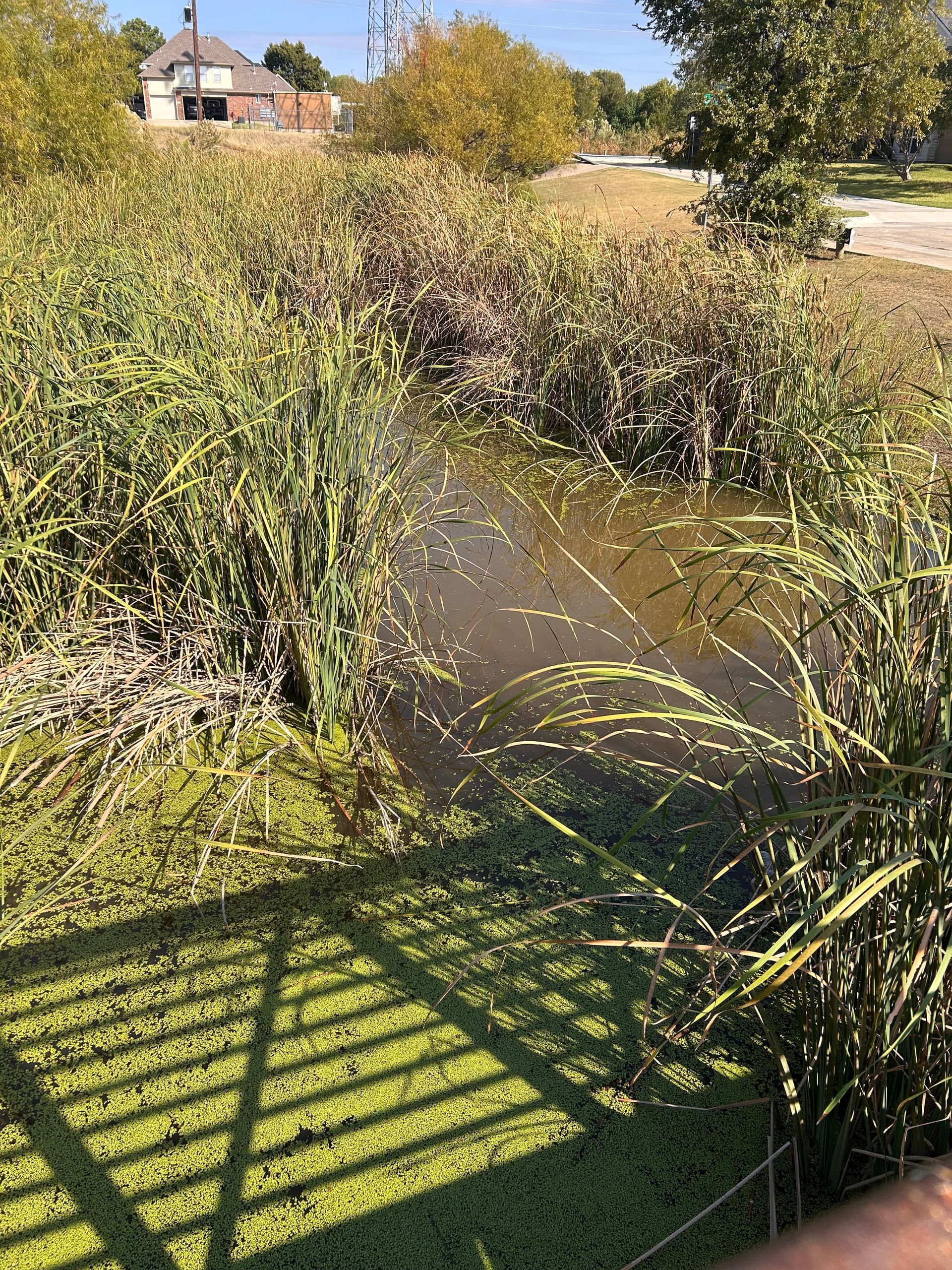
The 5 Most Important Mosquito Types in North Texas
While there are 50+ species, only a handful are responsible for most bites, infestations, and disease risk in areas like Carrollton, Dallas, and Farmers Branch.
1. Asian Tiger Mosquito (Aedes albopictus)
Habits
- Aggressive daytime biter
- Known as the “ankle biter”
- Will chase humans across yards
Habitat
- Prefers urban and suburban neighborhoods
- Hides in shrubs, fences, and shaded areas
Breeding
- Lays eggs in small containers:
- Flower pots
- Bird baths
- Gutters
- Kids’ toys
Population Behavior
- Explodes quickly after rain
- Can reproduce in very small amounts of water
Risks to Humans & Pets
- Can transmit:
- Dengue
- Zika
- Chikungunya
- Extremely aggressive → high bite frequency on families and pets
This is the #1 backyard mosquito in North Texas neighborhoods.
2. Southern House Mosquito
(Culexquinquefasciatus)
Habits
- Active at dusk and night
- Frequently enters homes
Habitat
- Found near:
- Storm drains
- Ditches
- Standing water
Breeding
- Prefers dirty, stagnant water
- Common in:
- Sewer systems
- Neglected pools
- Drainage areas
Population Behavior
- Large populations build in hidden water sources
- Often unnoticed until infestations spike
Risks to Humans & Pets
- Primary carrier of West Nile virus
- Can infect:
- Humans
- Birds
- Dogs (rare but possible exposure risk)
This is the mosquito most tied to serious health concerns in Texas.
3. Yellow Fever Mosquito (Aedes aegypti)
Habits
- Bites during the day
- Prefers to bite humans over animals
Habitat
- Lives very close to people
- Often found:
- Indoors
- Around patios and porches
Breeding
- Uses clean, still water
- Common sources:
- Buckets
- Trash containers
- Indoor water sources
Population Behavior
- Highly adapted to urban environments
- Can thrive even with minimal outdoor water
Risks to Humans & Pets
- Major disease vector:
- Zika
- Dengue
- Yellow fever (rare in U.S., but possible vector)
This species is especially dangerous because it prefers humans.
4. Inland Floodwater Mosquito (Aedes vexans)
Habits
- Extremely active after heavy rain
- Bites day and night
Habitat
- Found in:
- Open fields
- Lawns
- Flooded areas
Breeding
- Eggs laid in soil that later floods
- Hatch rapidly after rain events
Population Behavior
- Massive population spikes overnight
- Can travel miles from breeding sites
Risks to Humans & Pets
- Aggressive biters → high stress on:
- Pets
- Outdoor activities
- Can carry some diseases (less common than Culex/Aedes aegypti)
This is the mosquito behind those “sudden swarms” after storms.
5. Malaria Mosquito (Anopheles quadrimaculatus)
Habits
- Bites at night
- Resting position is angled (distinct look)
Habitat
- Found near:
- Ponds
- Lakes
- Slow-moving water
Breeding
- Prefers clean, natural water sources
- Often tied to vegetation-rich environments
Population Behavior
- More stable populations vs. rapid spikes
- Less noticeable but still present
Risks to Humans & Pets
- Known malaria vector (rare in U.S. today)
- Still contributes to nuisance biting and discomfort
Less common, but still part of the North Texas ecosystem.
Why This Matters for Mosquito Control in North Texas
Most companies treat mosquitoes like they’re all the same.
That’s why results are inconsistent.
To actually reduce mosquito populations, you have to:
- Eliminate breeding sources (containers, drains, puddles)
- Treat resting areas (shrubs, fences, shaded zones)
- Time applications around activity patterns (day vs night species)
The Real Risk to Your Family and Pets
Mosquitoes in North Texas aren’t just annoying—they’re a real health concern.
For Humans
- West Nile virus (common in Texas)
- Zika & dengue (less common but possible)
- Allergic reactions and secondary infections
For Pets
- Heartworms (spread by mosquitoes)
- Skin irritation and stress from constant biting
- Increased exposure in shaded yard areas
According to the Centers for Disease Control and Prevention, mosquitoes are one of the deadliest animals in the world due to disease transmission.
Final Takeaway: Not All Mosquitoes Are the Same
With 50+ mosquito species in North Texas, effective control isn’t about spraying and hoping—it’s about strategy.
The key to real results is targeting breeding sites, resting areas, and activity times specific to the species on your property
Want Better Mosquito Control in Carrollton or Dallas?
At Titan Pest Defense, we don’t just spray—we identify what species you’re dealing with and target them accordingly.
That means:
- Fewer mosquitoes
- Longer-lasting results
- Better protection for your family and pets