Chinch Bug Control in Carrollton
: Why St. Augustine Lawns Decline in Summer
If your St. Augustine
lawn in Carrollton turns yellow, then brown, and continues spreading despite proper watering, the problem may not be irrigation. It may be chinch bugs.
In North Texas, chinch bugs are one of the most destructive turf pests affecting warm-season grasses. According to the
Texas A&M AgriLife Extension Service, St. Augustine grass is particularly vulnerable to chinch bug infestations during extended heat. Understanding how they operate is key to protecting your lawn.
What Are Chinch Bugs?
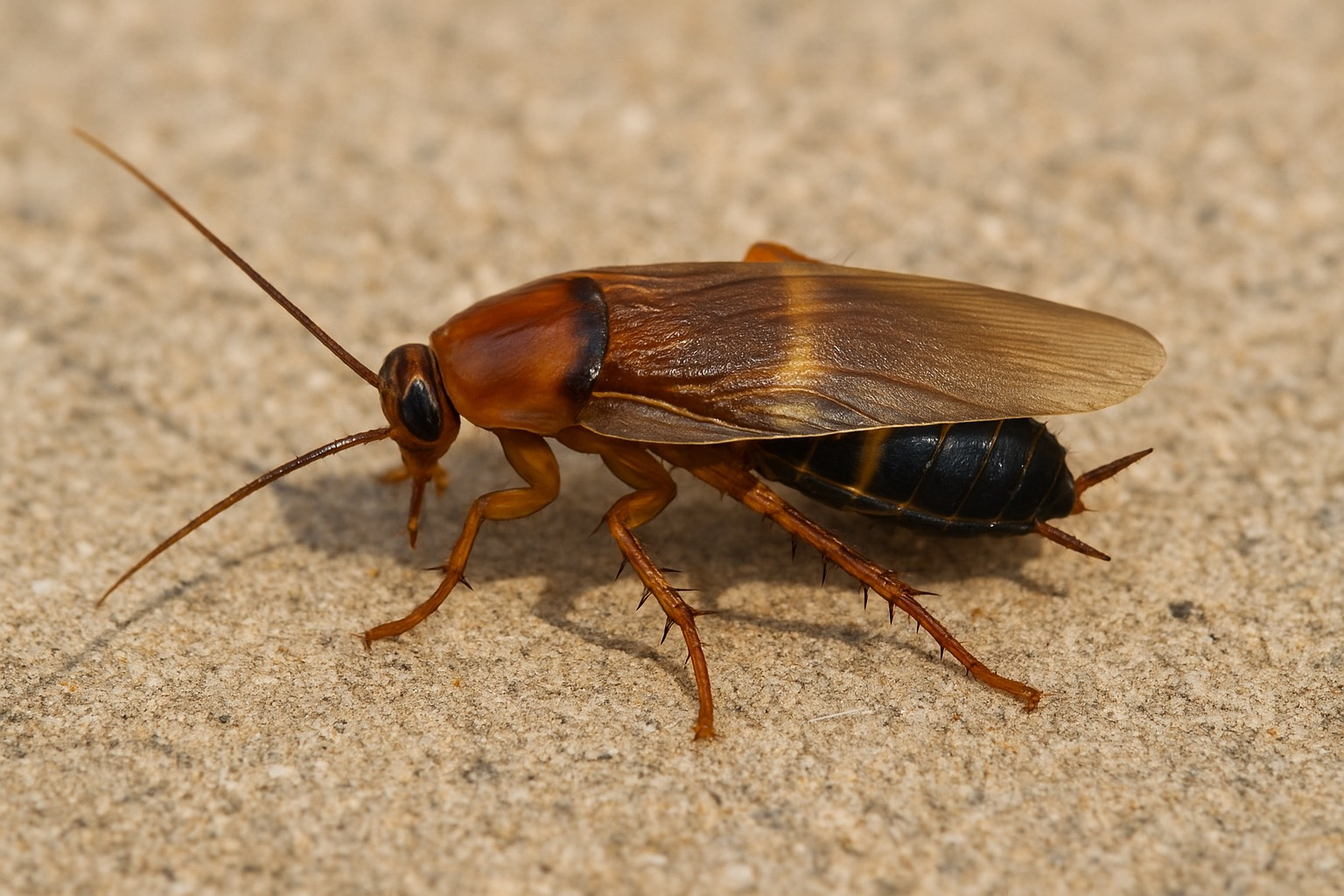
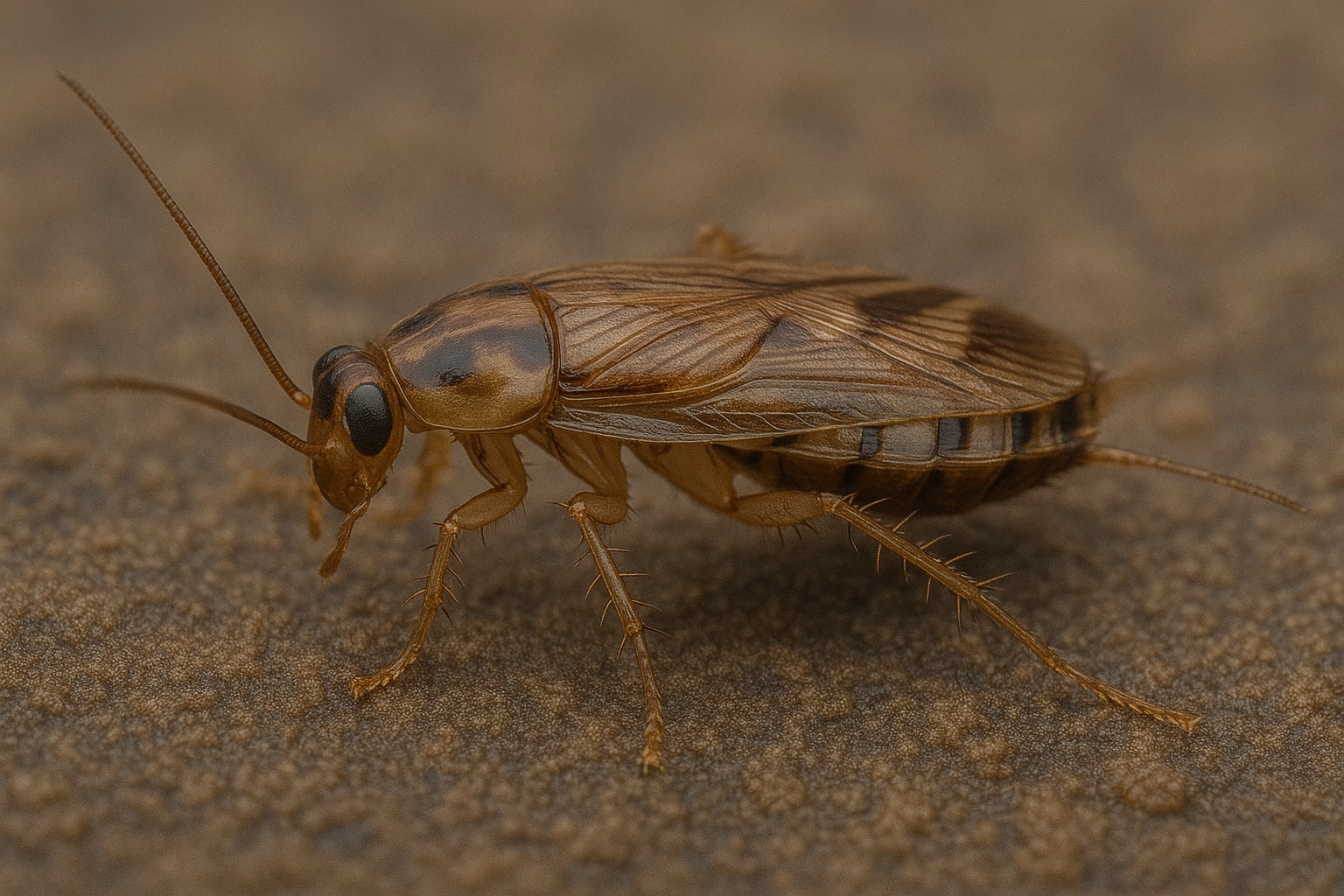
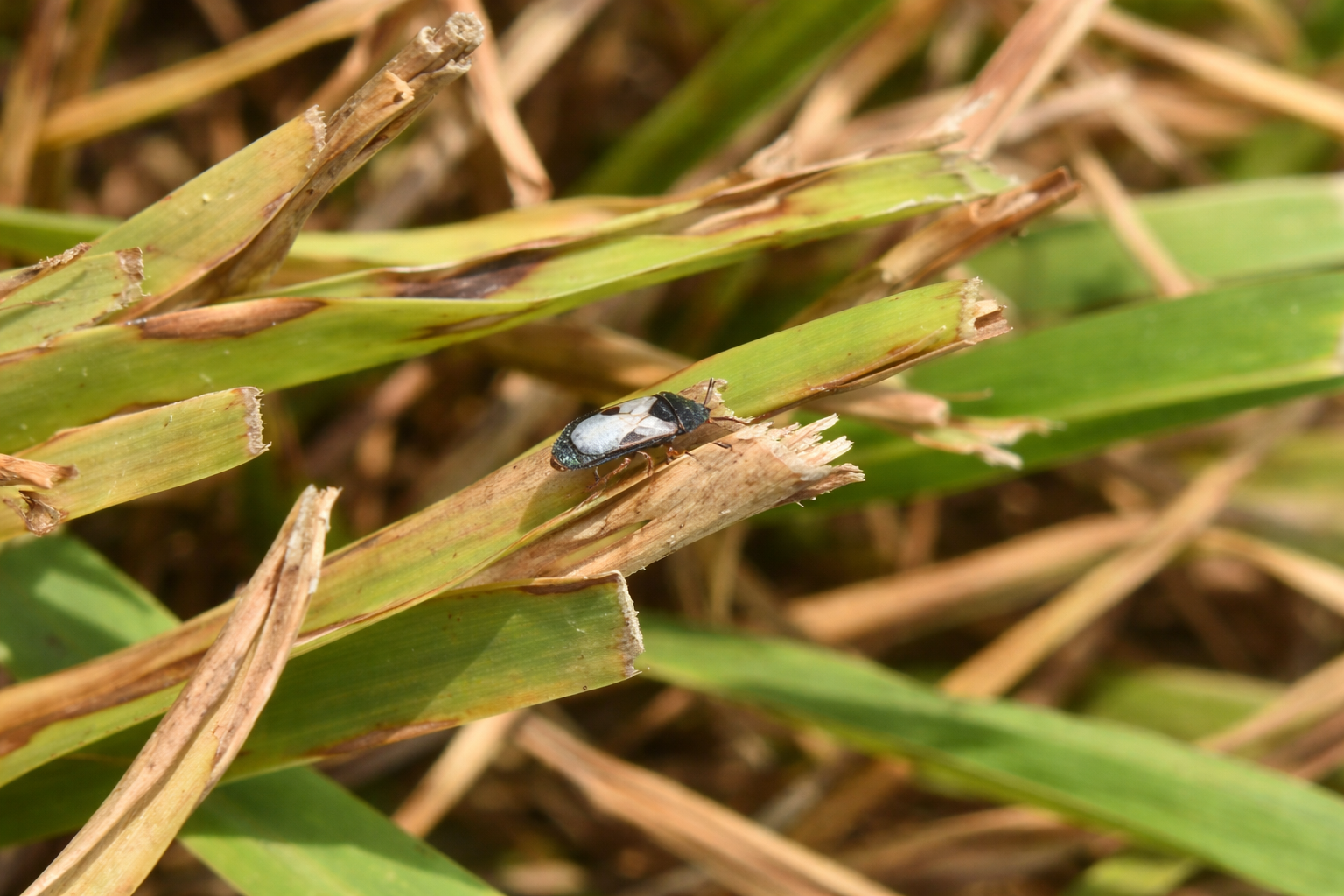
Chinch bugs are small, black insects with white wings as adults. Nymphs appear reddish-orange with a white band across their back.
They feed by:
- Piercing grass blades
- Sucking plant fluids
- Injecting toxins into the plant tissue
This combination causes grass to yellow, then brown, even when soil moisture is adequate.
Why Chinch Bugs Are So Common in Carrollton
Carrollton creates ideal conditions:
- Extended heat waves
- Irrigated lawns
- Popular use of St. Augustine grass
- Sidewalks and driveways that radiate heat
Neighborhoods like Rosemeade, Nob Hill, and Carillon Hills often see chinch bug pressure mid-to-late summer. Heat stress weakens turf. Chinch bugs exploit that stress.
How to Tell the Difference Between Drought and Chinch Bugs
This is where most homeowners get it wrong.
Drought Stress:
- Grass wilts evenly
- Improves after deep watering
- Affects large uniform areas
Chinch Bug Damage:
- Starts in hot zones (near concrete)
- Spreads outward irregularly
- Does NOT improve with watering
- Often worsens in peak heat
If watering isn’t correcting the issue, inspect closer.
The Coffee Can Test (Field Identification Method)
Remove both ends of a large metal can.
Push it several inches into the turf at the edge of a damaged area.
Fill with water.
If chinch bugs are present, they will float to the surface within minutes.
This simple test confirms infestation without guesswork.
Chinch Bug Life Cycle in North Texas
Understanding timing helps prevent outbreaks.
- Late Spring: Overwintered adults become active
- Early Summer: Eggs hatch
- Mid-Summer: Population explosion
- Late Summer: Peak feeding damage
- Fall: Activity declines
Carrollton’s long summers allow multiple generations per season. Without intervention, damage compounds quickly.
Why Fertilizer Can Make It Worse
Over-fertilized lawns produce lush growth that chinch bugs prefer.
While healthy turf resists stress, excessive nitrogen can increase vulnerability.
Proper lawn care in Carrollton must balance:
- Nutrient levels
- Irrigation timing
- Insect monitoring
Integrated management prevents outbreaks.
How Chinch Bugs Increase Structural Pest Pressure
When turf declines:
- Soil becomes exposed
- Moisture patterns shift
- Ants and secondary pests increase
Damaged lawns often precede perimeter pest problems. This is why exterior-first pest control in Carrollton must include lawn-level monitoring.
When to Treat for Chinch Bugs in Carrollton
- Inspection Window: Late May through June
- High-Risk Period: July through August
- Reactive Treatment: At first sign of irregular yellowing
Waiting until full browning often means turf recovery will be slow.
Long-Term Prevention Strategy
Effective chinch bug management includes:
- Proper mowing height
- Avoiding excessive nitrogen
- Monitoring hot zones
- Seasonal inspection
Healthy, balanced turf is more resistant to infestation.
FAQs
What does chinch bug damage look like in Carrollton?
Irregular yellow patches that spread outward from hot areas and do not improve with watering.
Are chinch bugs common in North Texas?
Yes. They are one of the most common summer turf pests affecting St. Augustine lawns.
Can a lawn recover from chinch bug damage?
If treated early, turf can recover. Severe damage may require reseeding or sod replacement.
Do chinch bugs come back every year?
Without monitoring and preventative strategy, populations can re-establish annually.
If your Carrollton lawn is developing yellow patches, thinning turf, or damage that watering won’t fix, chinch bugs may be the cause. For a complete breakdown of the insects that damage North Texas lawns, read How Lawn Insects Destroy Carrollton Lawns, then learn how Titan protects properties with Pest Control in Carrollton, TX that starts from the soil up.