
Understanding Fire Ants: Behavior, Risks, and Control Methods
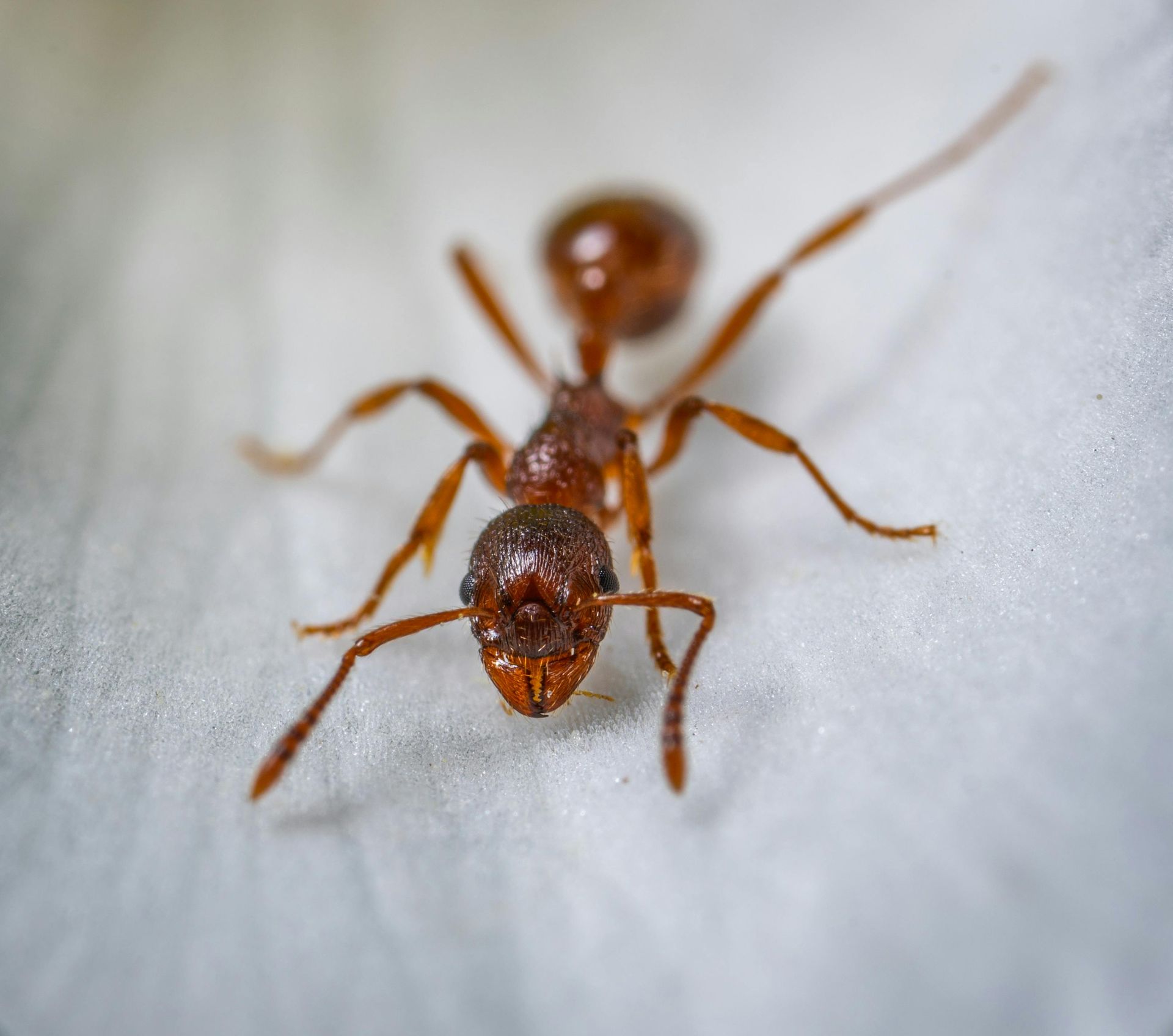
Fire ants are fascinating insects—but they’re not exactly welcome guests in our outdoor spaces. Known for their painful stings and aggressive behavior, fire ants can quickly turn a peaceful lawn or garden into a hazardous area for both people and pets. Understanding their habits and how to manage them is essential for maintaining a safe and enjoyable outdoor environment.
What Makes Fire Ants a Problem?
Fire ants are notorious for their stings, which can cause intense pain and, in some cases, allergic reactions. Their aggressive nature means they’ll attack anything they perceive as a threat to their colony. This makes them particularly dangerous in areas where children and pets play.
They typically build large, dome-shaped mounds in open areas such as lawns, fields, and parks. While the mounds themselves can be unsightly, the real issue lies below the surface—these colonies can stretch deep underground and support thousands of ants.
Aside from physical harm, fire ants can also cause environmental and property damage. They disrupt plant growth by building mounds that interfere with grass roots and soil structure. They also protect other harmful pests like aphids and scale insects, which produce honeydew—a food source for fire ants—while damaging plants. In some cases, fire ants have even been known to damage electrical equipment.
How to Control Fire Ants
Controlling fire ant infestations is crucial to protecting your outdoor spaces. Here are a few effective methods:
- Bait Treatments: These are slow-acting insecticides mixed with food that worker ants carry back to the colony, eventually killing the queen and other ants. Baiting is best done in warm, dry weather when ants are actively foraging.
- Mound Drenches: Liquid insecticides poured directly onto the mound can quickly kill ants on contact. This method is useful for immediate control but may not always eliminate the colony entirely.
- Granular Insecticides: Spread across the lawn, these are activated by water and can provide longer-term protection by targeting ants as they move through the soil.
Always follow the manufacturer’s instructions carefully when applying any pesticide, and consider consulting with a pest control professional for severe infestations.
Preventing Future Infestations
The key to long-term fire ant control is prevention. Regularly inspect your lawn and garden for signs of new mounds, and keep outdoor areas clean and well-maintained. Proper lawn care, trimming, and sanitation can make your yard less appealing to fire ants.
Final Thoughts
Fire ants can pose a serious threat to the safety and beauty of your outdoor spaces. Their stings are painful, their colonies damaging, and their presence disruptive. But with consistent monitoring and proper control measures, you can minimize their impact and maintain a healthy, vibrant yard.
Need help choosing the right control method or dealing with a tough infestation? Reach out for more advice or assistance with pest control strategies!