
Grub Worm Control in Bent Tree West & Bent Tree North: How to Protect Your Lawn from Hidden Damage
Healthy lawns in Bent Tree West and Bent Tree North require more than regular mowing and watering. One of the most damaging lawn pests in North Texas lives beneath the surface, feeding on grass roots long before homeowners notice anything is wrong.
Grub worms can destroy large sections of turf, leaving behind brown patches that are easily mistaken for drought stress, lawn disease, or poor irrigation. By the time the damage becomes visible, the root system may already be severely compromised.
Understanding how grubs develop, when they become active, and how to prevent infestations can help protect your lawn throughout the year.
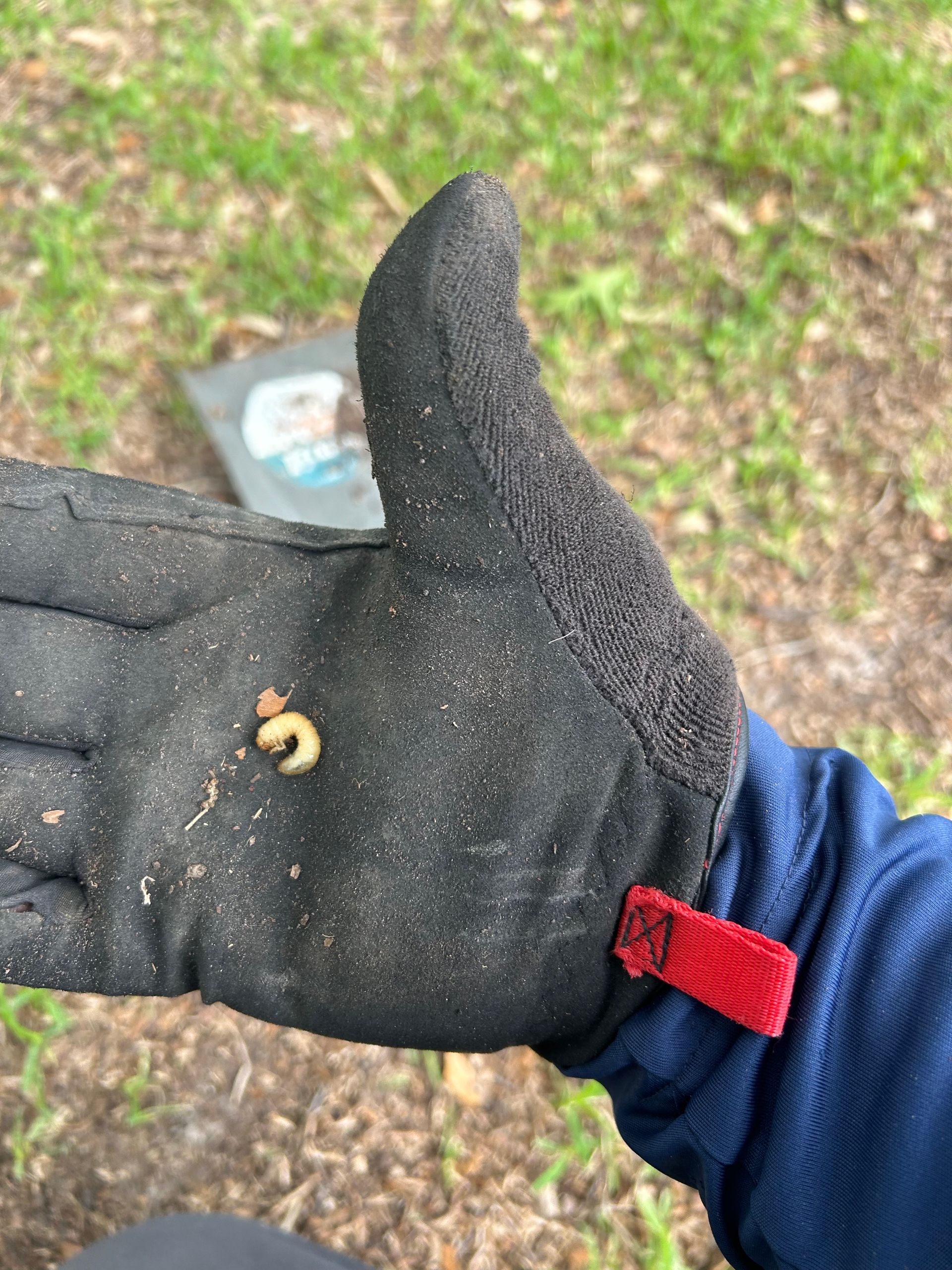
What Are Grub Worms?
Grub worms are the immature (larval) stage of several beetle species. In North Texas, most turf damage is caused by the larvae of May and June beetles and masked chafers.
Adult beetles lay eggs in the soil during late spring and early summer. After hatching, the larvae begin feeding on grass roots, reducing the lawn's ability to absorb water and nutrients.
Unlike insects that feed on grass blades, grubs attack the root system itself. As roots are destroyed, healthy turf begins to separate from the soil and eventually dies.
Why Bent Tree West & Bent Tree North Lawns Are Susceptible
Bent Tree West and Bent Tree North feature mature landscapes, established Bermuda and St. Augustine lawns, automatic irrigation systems, and ornamental landscaping. These conditions create attractive environments for egg-laying beetles during the summer months.
Several factors contribute to grub activity in these neighborhoods:
- Warm North Texas summers that support beetle development
- Irrigated lawns that keep soil moist during egg-laying season
- Mature turf that provides an established root system for larvae to feed on
- Clay-based soils common throughout North Dallas that can retain moisture after irrigation
While every lawn is different, properly maintained lawns should still be monitored for grub activity each year.
Signs of Grub Worm Damage in Bent Tree Lawns
Because they live underground, grubs are often missed until the damage becomes severe. Common signs include:
- Irregular brown patches that don’t respond to watering or fertilizer.
- Spongy turf that lifts up easily, almost like sod.
- Increased animal activity — skunks, raccoons, and birds tearing up the lawn.
- Weak root systems, causing grass to pull up with little effort.
A simple way to test is to dig a 1-square-foot section of soil about 2–4 inches deep. If you find more than 5–10 grubs in that space, your lawn needs treatment.
When Are Grubs Most Active?
Understanding the grub life cycle is the key to successful control.
Late Spring
Adult beetles emerge and begin laying eggs.
Early Summer
Eggs hatch into young larvae.
Late Summer
Young grubs actively feed on grass roots. This is when most lawn damage begins.
Fall
Larger grubs continue feeding before moving deeper into the soil as temperatures cool.
Winter
Grubs remain inactive beneath the soil.
Spring
Surviving grubs briefly resume feeding before developing into adult beetles.
The Best Time for Grub Control
The most effective grub treatments are applied before significant root damage occurs.
Preventive Treatments
Preventive products are typically applied during late spring through early summer, before newly hatched larvae begin feeding aggressively.
These treatments provide season-long protection by targeting grubs early in their development.
Curative Treatments
Curative products are used when an active infestation is confirmed during late summer or early fall.
Because larger grubs are more difficult to control, curative treatments generally work best when larvae are still young.
Can a Healthy Lawn Survive Grubs?
Yes—up to a point.
Healthy Bermuda and St. Augustine lawns often tolerate small grub populations without visible damage.
Problems occur when:
- Large numbers of grubs feed simultaneously
- The lawn is already stressed by drought
- Soil compaction limits root growth
- Disease or weed competition weakens the turf
Maintaining healthy roots helps lawns recover more quickly from insect feeding.
Professional Grub Worm Control vs. DIY
Many Denton homeowners try DIY grub treatments from big-box stores, but these often fail because:
- They are applied too late in the season when grubs are already mature.
- They don’t penetrate deeply enough into the soil.
- Homeowners may underapply or overapply product, risking poor results or lawn damage.
Professional grub control services use specialized products and calibrated equipment that target grubs effectively without harming turf or beneficial insects.
Common Misconceptions About Grub Control
"Every brown patch is caused by grubs."
False.
Brown turf may result from drought stress, fungal disease, irrigation problems, chinch bugs, armyworms, or nutrient deficiencies.
"More insecticide is better."
Applying insecticides without confirming grub activity increases cost and may expose beneficial insects unnecessarily.
"If birds are on my lawn, I definitely have grubs."
Not always.
Birds feed on many insects, earthworms, and other soil organisms. A lawn inspection should confirm whether grubs are actually present.
Preventing Future Grub Problems
While no lawn can be guaranteed grub-free every year, several practices improve turf resilience:
- Follow a consistent fertilization schedule.
- Water deeply but avoid excessive irrigation.
- Monitor lawns during late summer.
- Inspect suspicious brown patches before treating.
- Apply preventive grub control when appropriate.
- Keep weeds under control to reduce overall lawn stress.
Healthy turf is better able to tolerate minor insect feeding than stressed or neglected lawns.
Preventing Future Infestations
Grub worm problems can often be avoided with consistent lawn care. We recommend:
- Aeration to improve soil health and reduce compaction.
- Balanced fertilization for stronger root systems.
- Proper watering schedules — too much moisture attracts beetles for egg-laying. (See our
North Texas Watering Guide).
- Regular inspections during late summer when grubs are most active.
Professional Grub Control
Correct identification is one of the most important parts of grub management.
Many lawn problems resemble grub damage, and applying the wrong treatment wastes both time and money.
A professional lawn inspection can determine whether grubs are responsible for declining turf and whether treatment is actually necessary.
Why Choose Titan Pest Defense?
- Locally Owned & Operated – We understand Denton soils and turf conditions.
- No Long-Term Contracts – Just simple, flexible service agreements.
- Pet & Family Safe – We use products approved by theEPA for safe use around homes.
- Guaranteed Results – If grubs return, so do we.
Frequently Asked Questions
Q: What causes grub worms?
A: Grubs develop from beetle eggs laid in the soil during late spring and early summer.
Q: When should grub prevention be applied?
A: Preventive applications are generally most effective during late spring through early summer before newly hatched larvae begin feeding.
Q: Can grub worms kill Bermuda grass?
A: Yes. Heavy infestations can destroy the root system of Bermuda grass, causing sections of turf to die.
Q: Are St. Augustine lawns affected by grubs?
A: Yes. St. Augustine, Bermuda, Zoysia, and other turf species can all be damaged by heavy grub infestations.
Q: Do all lawns have grubs?
A: Many lawns contain a small number of grubs each year. Treatment is generally recommended only when populations reach damaging levels and turf injury is present.
Protect Your Lawn Before Damage Starts
Grub worms often go unnoticed until the damage becomes severe. Monitoring your lawn, identifying problems early, and using preventive treatments when appropriate can help protect your investment and maintain healthy turf throughout the growing season.
If you're looking for professional lawn care in Bent Tree West or Bent Tree North, Titan Pest Defense provides seasonal weed control, fertilization, lawn insect management, and preventive grub treatments designed specifically for North Texas lawns.
Learn more about our
Bent Tree West Weed Control and
Bent Tree North Weed Control services, or
contact Titan Pest Defense to schedule an evaluation of your lawn.